
Как работает анонимный прием платежей в криптовалюте
#безопасность
Традиционные платежные системы требуют раскрытия данных. Банковский перевод — это имя отправителя, получателя, назначение платежа. Карточный платеж — данные карты, верификация, история покупок. Криптовалюта работает иначе. Для перевода достаточно адреса кошелька, никаких имен и паспортов. Это привлекает бизнес, который ценит приватность — свою и клиентов. Разберем, как устроен анонимный прием платежей в крипте и какие нюансы важно учитывать.
Что такое анонимный прием платежей
Анонимный прием платежей — это возможность получать оплату без раскрытия личных данных участников сделки. Продавец не знает имени покупателя. Покупатель не знает реквизитов продавца. Банк или платежная система не видит транзакцию вообще.
В традиционных платежах это невозможно. Банковский перевод требует указания отправителя и получателя. Карточный платеж проходит через эквайринг с идентификацией обеих сторон. PayPal и другие электронные кошельки привязаны к верифицированным аккаунтам.
Криптовалюта меняет правила. Для создания кошелька не нужен паспорт. Для перевода достаточно знать адрес получателя — строку из букв и цифр. Транзакция записывается в блокчейн, но связь между адресом и реальным человеком не очевидна.
Важно понимать разницу между анонимностью и псевдонимностью. Большинство криптовалют псевдонимны — транзакции публичны, но привязаны к адресам, а не к именам. Если связать адрес с личностью, вся история становится прозрачной. Полная анонимность требует дополнительных мер.
Как технически организуется анонимный прием платежей
Прием на личный криптокошелек
Самый простой способ — создать криптокошелек и публиковать его адрес для приема платежей. Клиент переводит средства напрямую, без посредников.
Для создания кошелька не требуется верификация. Достаточно скачать приложение или использовать веб-интерфейс. Вы получаете адрес, который можно публиковать на сайте или отправлять клиентам.
Преимущество — максимальный контроль и отсутствие посредников. Недостаток — ручная обработка каждого платежа и один адрес для всех клиентов, что создает путаницу при большом потоке.
Использование криптопроцессинга
Криптопроцессинг автоматизирует прием платежей, сохраняя преимущества криптовалюты. Сервис генерирует уникальный адрес для каждой транзакции, отслеживает поступления и отправляет уведомления.
При работе через криптопроцессинг вы регистрируетесь в сервисе и получаете инструменты для интеграции — API, плагины, платежные ссылки. Уровень приватности зависит от конкретного сервиса и его требований к верификации.
Heleket позволяет организовать прием криптовалютных платежей с минимальными требованиями и комиссией от 0,4%. Сервис поддерживает популярные криптовалюты, обеспечивает автоматическое отслеживание транзакций и уведомления о поступлениях. Подробнее о возможностях — на сайте Heleket.

Платежная форма Heleket конверсионная и удобная для пользователя. Привычный и понятный интерфейс удержит клиента на этапе оплаты.
Прием через стейблкоины
Стейблкоины совмещают приватность криптовалюты со стабильностью курса. USDT, USDC и другие привязаны к доллару, их курс не скачет на 10-20% за день.
Для бизнеса это оптимальный вариант. Вы получаете преимущества криптоплатежей без волатильности. Клиент платит сумму в долларовом эквиваленте, вы получаете ту же сумму без курсовых рисков.
Стейблкоины работают в разных сетях. USDT доступен в Tron, Ethereum, Binance Smart Chain и других. Выбор сети влияет на комиссию и скорость транзакции. Tron (TRC-20) — самый дешевый и быстрый вариант.
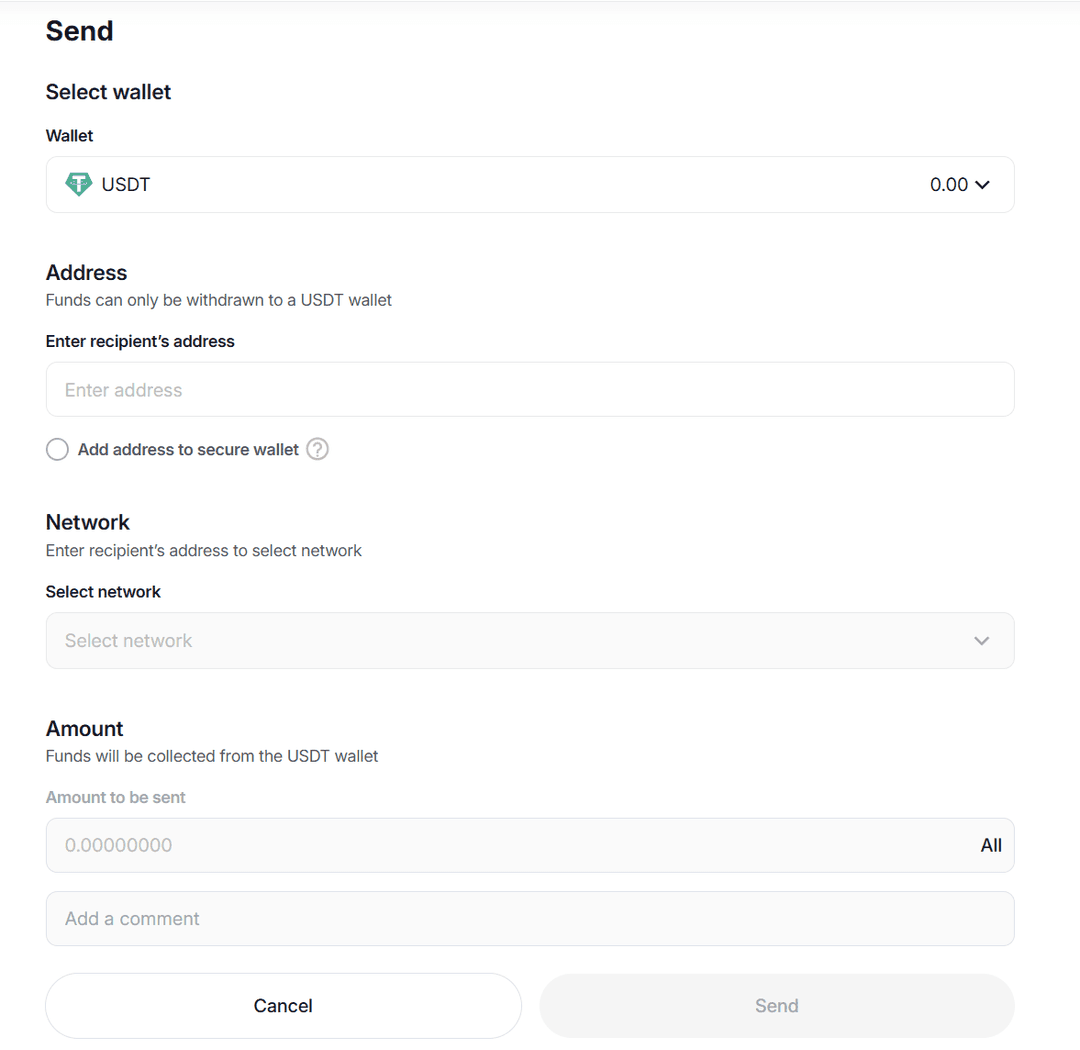
Выбор сети в Heleket.
Преимущества анонимного приема платежей
Отсутствие банковских ограничений. Криптовалюта не зависит от банков и платежных систем. Платеж не может быть заблокирован, отклонен или заморожен. Нет географических ограничений — клиент из любой страны платит одинаково просто.
Нет чарджбеков. Криптовалютные транзакции необратимы после подтверждения. Клиент не может отменить платеж через банк, как это происходит с карточными операциями. Это защищает от мошеннических возвратов, которые стоят онлайн-бизнесу миллиарды ежегодно.
Доступ к международным клиентам. Один способ оплаты работает для всего мира. Не нужно подключать локальные платежные системы для каждой страны. Клиент из США, Европы, Азии или Африки платит одинаково — отправляет криптовалюту на адрес.
Приватность для клиентов. Часть покупателей ценит анонимность и выбирает продавцов, которые ее обеспечивают. Это особенно актуально для хостинга, цифрового контента и других продуктов, где приватность важна.
Низкие комиссии. Комиссия криптоплатежей составляет 0,4-1% против 2-4% у карточного эквайринга. При международных переводах разница еще больше. Нет фиксированных платежей за каждую транзакцию, как у SWIFT.
Ограничения и риски
Публичность блокчейна
Большинство блокчейнов полностью прозрачны. Каждая транзакция записана и доступна для просмотра. Любой человек может увидеть, сколько средств поступило на адрес, откуда они пришли и куда ушли.
Можно легко отследить историю транзакций по адресу кошелька. Если адрес связан с личностью — вся финансовая история становится публичной. Это важно учитывать при планировании приема платежей.
Существуют блокчейны с повышенной приватностью — Monero, Zcash и другие. Они скрывают суммы и адреса участников. Но такие криптовалюты менее популярны и не подходят для массового приема платежей.
Регуляторные требования
Законодательство разных стран по-разному относится к криптовалютным платежам. В некоторых юрисдикциях требуется идентификация участников транзакций выше определенной суммы. В других — криптовалюта полностью легальна без ограничений.
Возможные ограничения для бизнеса зависят от страны регистрации, типа деятельности и объема операций. Крупные суммы привлекают больше внимания регуляторов. Определенные категории бизнеса могут иметь дополнительные требования.
Рекомендуется изучить законодательство своей юрисдикции перед внедрением криптоплатежей. При необходимости — проконсультироваться с юристом, специализирующимся на криптовалютах.
Волатильность
Bitcoin и Ethereum могут потерять или набрать 10-20% стоимости за день. Для бизнеса это неприемлемый риск. Получили оплату в $1000 эквивалента BTC — через час это может быть $900.
Изменения курса решаются несколькими способами. Использование стейблкоинов (USDT, USDC) исключает волатильность — их курс привязан к доллару. Автоматическая конвертация в стейблкоины сразу после получения платежа. Быстрый вывод в фиатную валюту.
Heleket поддерживает прием стейблкоинов и позволяет минимизировать курсовые риски. Вы можете принимать оплату в USDT и хранить средства в стабильной валюте.
Репутационные риски
Криптовалюта до сих пор ассоциируется у части аудитории с чем-то сомнительным. Непопулярность крипты в некоторых сегментах может влиять на восприятие бизнеса.
Для B2B-сегмента и консервативных клиентов криптоплатежи могут выглядеть непривычно. Важно позиционировать криптовалюту как дополнительный способ оплаты, а не единственный.
С другой стороны, для технической аудитории, цифровых кочевников и международных клиентов криптоплатежи — это плюс и признак современного подхода.
Что важно учитывать бизнесу
Налогообложение
Криптовалютные поступления облагаются налогами в большинстве юрисдикций. Конкретные правила зависят от страны — где-то криптовалюта считается имуществом, где-то — валютой, где-то — отдельной категорией.
Ведите учет всех поступлений. Фиксируйте курс на момент получения платежа. Сохраняйте историю транзакций для возможных проверок. Криптопроцессинг обычно предоставляет отчеты, упрощающие бухгалтерию.
Необходимость прозрачной политики возвратов
Криптовалютные транзакции необратимы. Если клиент запросит возврат — вам придется отправить средства отдельной транзакцией. Это отличается от карточных платежей, где возврат происходит автоматически.
Четко пропишите политику возвратов на сайте. Объясните, как происходит возврат в криптовалюте. Укажите сроки и условия. Это снизит количество спорных ситуаций.
Выбор подходящей криптовалюты
Для стабильности бизнеса оптимальны стейблкоины — USDT, USDC. Их курс не скачет, что упрощает учет и планирование.
Bitcoin и Ethereum популярны среди пользователей, но волатильны. Если принимаете их — настройте автоматическую конвертацию в стейблкоины или быстрый вывод.
Экзотические криптовалюты расширяют аудиторию, но усложняют работу. Начните с базового набора — USDT, BTC, ETH — и добавляйте другие по мере необходимости.
Кому подходит анонимный прием платежей
Онлайн-сервисы. Провайдеры, хостинг, облачные сервисы, инструменты для разработчиков. Аудитория технически продвинута и ценит приватность.
Цифровые товары. Курсы, электронные книги, шаблоны, софт, лицензии. Мгновенная доставка после оплаты, международная аудитория, нет физической логистики.
Международные проекты. Любой бизнес с клиентами из разных стран. Криптовалюта снимает барьеры международных платежей и валютных ограничений.
Фрилансеры. Дизайнеры, разработчики, копирайтеры, консультанты. Работа с международными клиентами, оплата без банковских задержек и комиссий.
Создатели цифрового контента. Авторы курсов, блогеры, стримеры, музыканты. Прием донатов и оплаты за контент от аудитории по всему миру.
Заключение
Анонимный прием платежей в криптовалюте — это инструмент для бизнеса, который ценит приватность и работает с международной аудиторией. Отсутствие банковских ограничений, защита от чарджбеков, низкие комиссии — реальные преимущества.
При этом важно понимать ограничения. Блокчейн публичен, и полная анонимность требует дополнительных мер. Регуляторные требования различаются по странам. Волатильность решается использованием стейблкоинов.
Для системной работы лучше использовать криптопроцессинг, а не ручной прием на кошелек. Автоматизация экономит время, снижает риск ошибок и позволяет масштабировать бизнес. Выбирайте сервис с поддержкой нужных криптовалют, прозрачными комиссиями и надежной работой.


