Оплата криптовалютой: как работает оплата через крипту
#криптоэквайринг
Криптовалютные платежи перестали быть экзотикой. Все больше онлайн-магазинов, SaaS-сервисов и цифровых платформ добавляют оплату в Bitcoin, Ethereum и USDT. Для пользователя процесс не сложнее оплаты картой — выбрал способ, отсканировал код, подтвердил и готово. Разберем, как устроена оплата криптовалютой изнутри и почему она становится удобной альтернативой традиционным платежам.
Что такое оплата криптовалютой простыми словами
Оплата криптовалютой — это перевод цифровых активов от покупателя к продавцу через блокчейн. Вместо банковской карты используется криптокошелек, вместо банка — децентрализованная сеть компьютеров, которая проверяет и записывает транзакцию.
Главное отличие от банковского перевода — отсутствие посредников. Деньги идут напрямую от отправителя к получателю. Нет банка, который может заблокировать транзакцию или заморозить счет. Нет платежной системы, которая берет процент за обработку.
Как работает оплата через криптовалюту
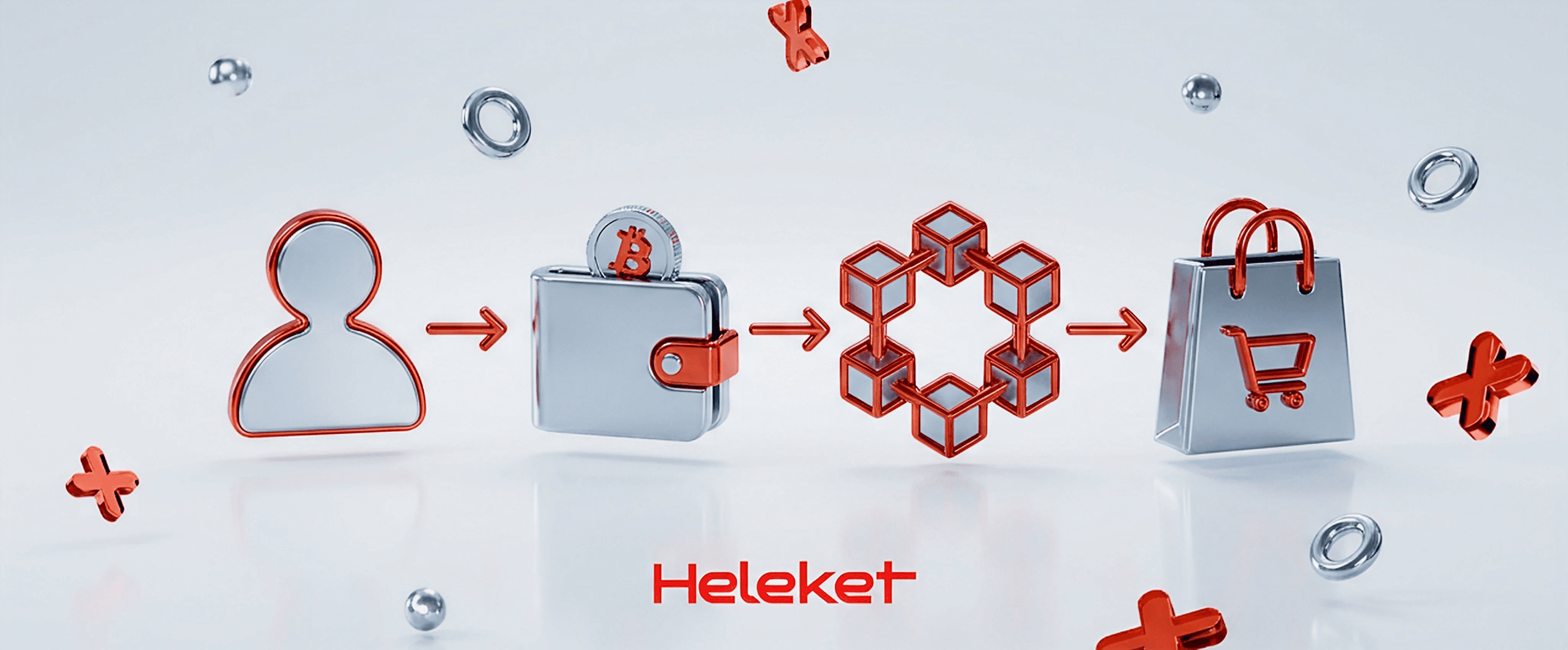
Технически процесс выглядит так:
- Покупатель открывает свой криптокошелек (приложение на телефоне или компьютере).
- Вводит адрес получателя — уникальную строку символов, похожую на номер банковского счета.
- Указывает сумму и подтверждает отправку.
- Кошелек подписывает транзакцию приватным ключом — это цифровая подпись, доказывающая право распоряжаться средствами.
- Транзакция отправляется в сеть, где ее проверяют независимые участники (майнеры или валидаторы).
- После проверки транзакция записывается в блокчейн и считается завершенной.
Весь процесс занимает от нескольких секунд до часа в зависимости от сети и загруженности блокчейна.
Как проходит оплата через крипту на практике
Выбор способа оплаты
На странице оформления заказа покупатель видит варианты оплаты — карта, электронный кошелек, криптовалюта. А при выборе крипты обычно появляется список доступных монет: Bitcoin, Ethereum, USDT в разных сетях и другие.
Покупатель выбирает ту криптовалюту, которая есть в его кошельке. Самый популярный выбор для платежей — USDT (стейблкоин, привязанный к доллару). Его курс стабилен, и сумма не изменится за время транзакции.
Формирование платежных данных
После выбора криптовалюты система генерирует платежные реквизиты — уникальный адрес кошелька и точную сумму к оплате. Обычно это выглядит как QR-код и текстовая строка адреса.

Адрес создается специально для этого платежа. Это позволяет автоматически связать поступление средств с конкретным заказом. Сумма рассчитывается по текущему курсу — если товар стоит $100, система покажет эквивалент в выбранной криптовалюте.
На странице также указывается время, в течение которого действителен счет. Обычно это 15-30 минут — достаточно для завершения платежа, но не так долго, чтобы курс существенно изменился.
Отправка средств
Покупатель открывает свой криптокошелек и сканирует QR-код или копирует адрес. Кошелек автоматически подставляет сумму и адрес получателя.
Перед отправкой кошелек показывает комиссию сети — плату за обработку транзакции. В сети Tron (TRC-20) это несколько центов, в Ethereum может доходить до нескольких долларов в зависимости от загруженности.
Покупатель подтверждает транзакцию — вводит пин-код, сканирует отпечаток пальца или использует другой метод авторизации. После подтверждения транзакция уходит в сеть.
Подтверждение платежа
Транзакция попадает в мемпул — очередь операций, ожидающих обработки. Майнеры или валидаторы проверяют ее корректность и включают в следующий блок.
Каждый новый блок — это подтверждение транзакции. Чем больше подтверждений, тем надежнее операция. Для большинства платежей достаточно 1-3 подтверждений. В сети Tron это занимает секунды, в Bitcoin — от 10 минут до часа.
Как только транзакция получает нужное количество подтверждений, продавец получает уведомление. Заказ автоматически переходит в статус «Оплачен». Покупатель видит подтверждение на экране или получает письмо.
Где используется оплата криптой
Онлайн-сервисы и SaaS
Софтверные компании и онлайн-сервисы активно принимают криптовалюту. Для них это способ получать платежи от клиентов по всему миру без привязки к локальным платежным системам.
Криптоплатежи особенно популярны среди провайдеров приватных сетей, хостинг-компаний, сервисов облачного хранения. Клиенты ценят приватность и возможность оплатить подписку без привязки банковской карты.
Интернет-магазины
Онлайн-ритейл постепенно добавляет криптовалюту как способ оплаты. Это расширяет аудиторию за счет покупателей, которые предпочитают расплачиваться криптой или не имеют доступа к традиционным платежным системам.
Особенно востребована криптооплата в магазинах электроники, игровых товаров, цифрового контента. Burger King тестировал оплату в биткоине в Германии и Венесуэле. Microsoft принимает криптовалюту за свои продукты и сервисы.
Подписки и цифровые продукты
Авторы курсов, образовательные платформы и создатели контента используют криптоплатежи для монетизации. Это решает проблему с ограничениями платежных систем для некоторых категорий товаров.
Twitch позволяет зрителям отправлять донаты стримерам в криптовалюте. Игровая индустрия активно внедряет криптовалютные платежи для покупки внутриигровых предметов и подписок.
Международные платежи
Криптовалюта снимает ограничения международных переводов. Нет разницы между платежом внутри страны и трансграничной транзакцией — процесс и комиссия одинаковые.
Фрилансеры и удаленные работники используют крипту для получения оплаты от зарубежных заказчиков. Это быстрее и дешевле SWIFT-переводов, которые идут днями и съедают 5-10% в комиссиях.
Почему оплата через криптовалюту удобна для пользователей
Минимум действий
Оплата криптой требует буквально три действия — отсканировать QR-код, проверить сумму, подтвердить отправку. Не нужно вводить номер карты, срок действия, CVV-код и проходить 3D-Secure.
Для тех, кто уже пользуется криптовалютой, это самый быстрый способ оплаты. Кошелек всегда под рукой в телефоне, а сканирование кода занимает секунду.
Быстрое подтверждение
В большинстве сетей транзакция подтверждается за минуты или даже секунды. USDT в сети Tron — практически мгновенно. Даже Bitcoin с его более медленной сетью работает быстрее международного банковского перевода.
Покупатель не ждет, пока платеж «дойдет». Он видит подтверждение сразу после обработки транзакции сетью. Продавец может сразу отправить товар или предоставить доступ к услуге.
Понятный процесс оплаты
Современные криптосервисы делают процесс интуитивно понятным. QR-код на странице оплаты, таймер обратного отсчета, статус транзакции в реальном времени — покупатель видит каждый этап.
Для новичков криптопроцессинги добавляют пошаговые инструкции прямо на странице оплаты. Опытным пользователям достаточно сканировать код — все данные подставляются автоматически.
Безопасность оплаты через крипту
Криптовалютные платежи защищены криптографией — той же технологией, что защищает банковские системы и военные коммуникации. Каждая транзакция подписывается приватным ключом, который известен только владельцу кошелька.
Блокчейн делает операции прозрачными и неизменяемыми. Любой может проверить, что транзакция действительно была отправлена и получена. Подделать или отменить запись в блокчейне технически невозможно.
Роль платежных сервисов в безопасности
Криптопроцессинг добавляет дополнительный уровень защиты. Сервис отслеживает подтверждения транзакции, проверяет корректность суммы и адреса, защищает от типичных ошибок пользователей.
Надежный процессинг использует шифрование данных, многофакторную аутентификацию, раздельное хранение горячих и холодных кошельков. Регулярные аудиты безопасности подтверждают надежность системы.
Heleket отвечает всем требованиям безопасности криптовалютных платежей. Сервис обеспечивает защищенную обработку транзакций, контроль подтверждений в блокчейне, безопасное хранение средств. Для бизнеса это означает надежный прием платежей без риска потери средств из-за технических сбоев или атак.
Заключение
Оплата криптовалютой — это простой и понятный процесс для пользователя. Выбрал способ оплаты, отсканировал код, подтвердил — и транзакция завершена за минуты. Нет необходимости вводить данные карты, проходить верификацию или ждать несколько дней.
Для бизнеса криптоплатежи открывают доступ к международной аудитории без ограничений платежных систем. Низкие комиссии, мгновенные транзакции, отсутствие чарджбэков — преимущества, которые сложно игнорировать.
Криптопроцессинг автоматизирует прием платежей и делает его таким же простым, как банковский эквайринг. Сервис берет на себя генерацию адресов, отслеживание транзакций, уведомления. Бизнесу остается только подключить интеграцию и принимать оплату от клиентов по всему миру.


